

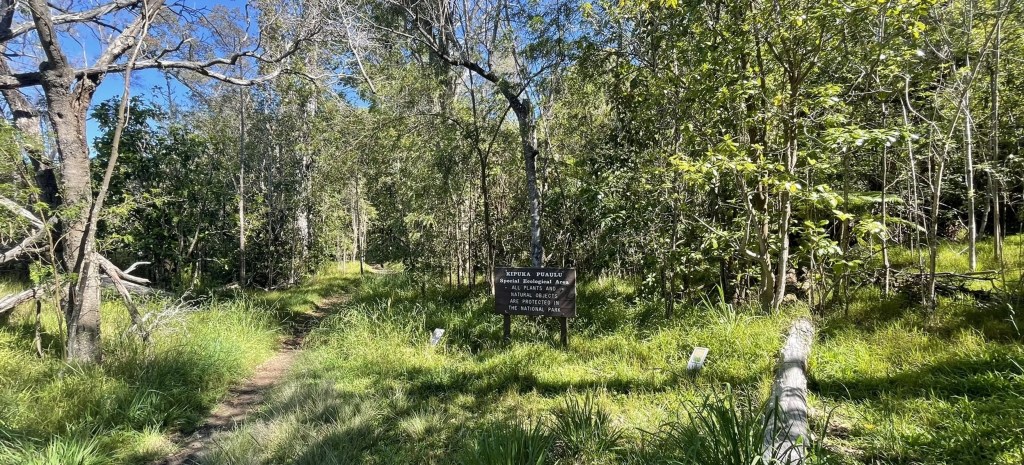
On Hawai’i’s Big Island, just outside Volcanoes National Park’s main entrance, Kīpukapuaulu is a remarkable ecological sanctuary—a kīpuka—where lava fields surround a forest oasis. Locally, it’s referred to as “bird park,” and is home to an astonishing abundance of native birds and plant life. Whether you’re a local (kama’aina) or a visitor, this easy hike into a place of beauty and tranquility offers an experience you didn’t know you needed.
What Makes Kīpukapuaulu Truly Special
A Geological Living Museum
This lush kīpuka has survived multiple Mauna Loa eruptions—some as recent as 500–700 years ago—preserving an ecological time capsule of rare flora and fauna.
Biodiversity Sanctuary
With more native tree species per acre than any other forest within the park, Kīpukapuaulu features Koa, ʻōhi‘a, papala kēpau, olopua, manele, and giant ferns thriving in the rich volcanic soil.
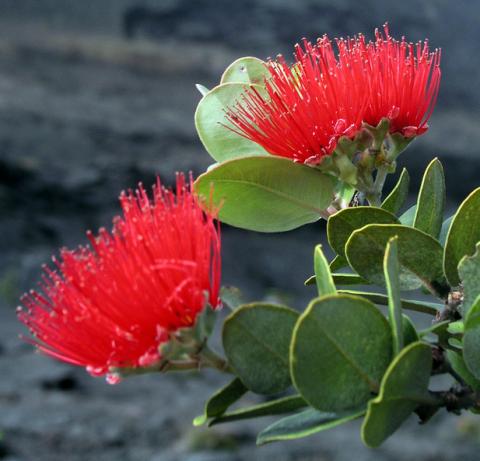
The ʻōhi‘a, in particular, produces a brilliant display of flowers, which can range from fiery red to yellow. Hawaiian traditions refer to the tree and the forests it forms as sacred to Pele, the volcano and fire goddess, and to Laka, the goddess of hula. ʻŌhiʻa trees grow easily on lava and are usually the first plants to grow on new lava flows.
A NPS Special Ecological Area
Long before Western contact, early Hawaiians regarded Kīpukapuaulu as a sacred sanctuary, a place alive with spiritual meaning and natural abundance. But when newcomers arrived in the 1800s, the forest’s fate changed dramatically.
Introduced species swept through this once-pristine ecosystem, leaving devastation in their wake. Cattle and goats stripped the understory bare, driving native plants to the brink of extinction and replacing them with a sea of invasive grasses. Only the tallest trees stood in defiance. As if that weren’t enough, rats, mongooses, pigs, and mosquitoes followed, decimating native bird populations. What was once a vibrant tapestry of species quickly unraveled, its richness and diversity nearly lost. In 1985, conservationists stepped in, halting the destruction and carefully guiding the forest toward recovery. Kīpukapuaulu was designated as the National Park Service’s first Special Ecological Area, recognizing both its cultural importance in Hawaiian tradition and critical role in scientific conservation.
A Haven for Native Birds
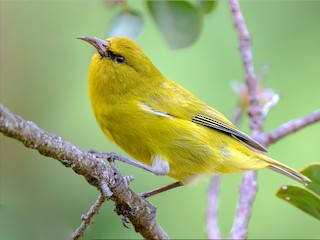
This is a birdwatcher’s paradise—keep your eyes and ears open for ʻapapane, ʻamakihi, ʻiʻiwi, and ʻelepaio. These birds are known as honeycreepers, and their plumage was sometimes used to make the stunning feather cloaks (ahu-ula) of Hawaiian royalty and distinguished warriors.
Honeycreepers are a group of small, nectar-eating birds that are unique to the Hawaiian Islands, having evolved over millions of years. Unfortunately, many species are now endangered or extinct due to habitat loss and invasive species. Luckily, in Kīpukapuaulu, due to conservation efforts, these colorful honeycreepers flit through the canopy of this tranquil forest.

Trail Details
- Trail Specs: A gentle, well-marked 1.2-mile (1.9 km) loop, typically taking 1 to 1.5 hours to complete.
- Terrain: Mostly flat with subtle inclines and declines; accessible for most hikers.
- Prohibitions: Dogs, horses, bicycles, and plant picking are not allowed to protect this fragile ecosystem.
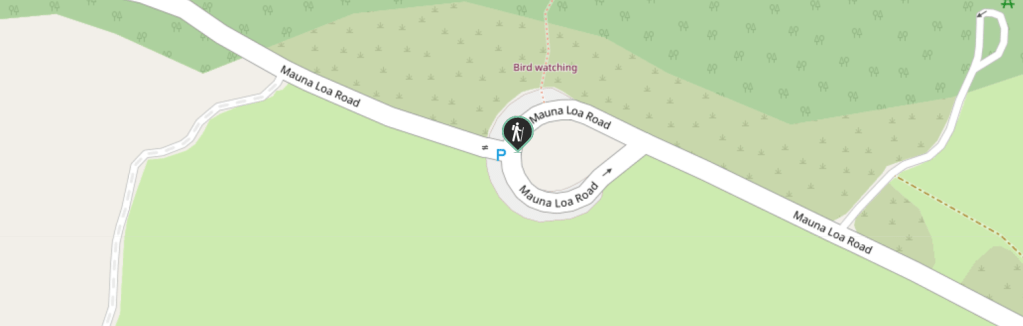
- Visitor Amenities: Restrooms are available near the picnic area by the trailhead.
- Timing Tips: Early morning or late afternoon hikes are best for birdwatching, as wildlife is more active then.
A Traveler’s Reflection on Kīpukapuaulu
Strolling through Kīpukapuaulu is like stepping into another world. The canopy filters dappled sunlight onto ferns and moss-covered trunks, while the melodic calls of native birds weave through the air—silent witnesses to centuries gone by. The rich scent of the soil and the rain bring you back to a more tranquil time. One can’t help but sense the quiet resilience of this forest that endured lava’s destructive reach, now flourishing against all odds.
Interpretative placards along the trail educate visitors about key species, giving depth to the experience for casual wanderers and nature enthusiasts alike. The forest feels alive—not just with flora and fauna—but with stories of survival, cultural reverence, and ecological wonder.
Why Kīpukapuaulu Deserves a Spot on Your Itinerary
- Accessibility: A short and gentle trail—perfect for families, casual hikers, or anyone wanting a peaceful nature escape.
- Nature Immersion: A chance to observe rare native birds and plants in a richly biodiverse setting.
- Cultural and Scientific Value: Deeply rooted in Hawaiian tradition while contributing to contemporary conservation efforts.
- Visual and Sensory Delight: A verdant oasis amid volcanic terrain—serene, shaded, and enriching.
Final Thoughts
In just over a mile’s walk, Kīpukapuaulu offers an immersive journey into Hawai’i’s most treasured ecological heritage. Whether you’re listening to the whispering Koa leaves, the sweet melodies of ʻapapane, or simply feeling the quiet power of a forest that survived volcanoes, the hike reminds you of nature’s enduring strength—and the importance of protecting it.
So, lace up your walking shoes, bring your curiosity, your camera, and your appreciation, and let the trail guide you through this living legend of the Big Island.
 Helster777